
Why Building A New Home Is So Expensive
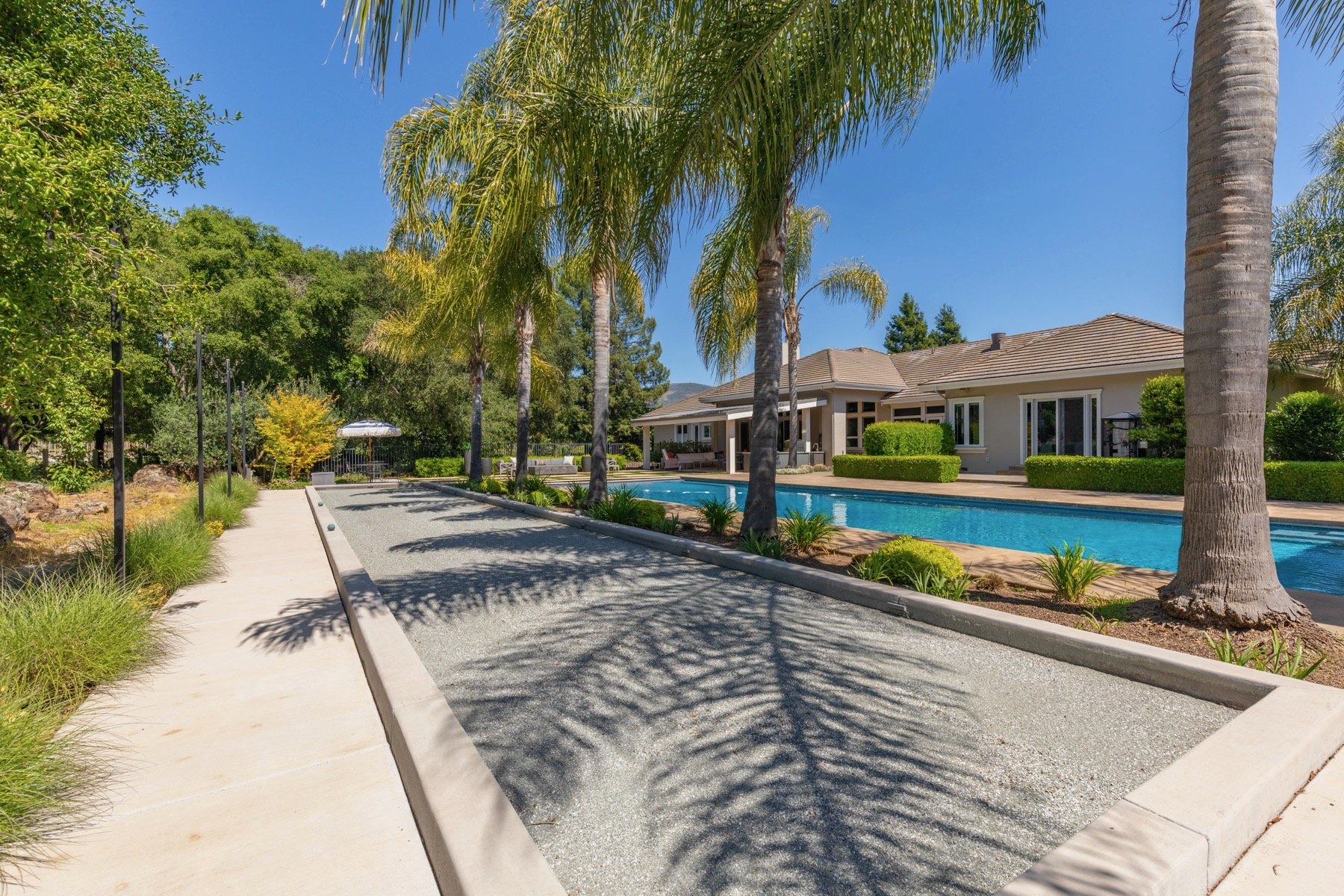
TL;DR: The cost of building a new home in 2025 is rising due to more expensive raw materials, labor shortages driving up wages, strict regulatory requirements, high land prices, and ongoing supply chain disruptions – all of which significantly increase overall construction expenses.
Cost to Build a New Home in 2025 – Raw Materials
One of the primary reasons for the increased costs of building a new home is the rising prices of raw materials. Materials such as lumber, steel, and concrete have seen significant price hikes due to various factors including global demand, tariffs, and environmental regulations. These increased costs directly impact the overall budget of constructing a new home.
Additionally, the cost of energy required to manufacture and transport these materials has also escalated, further driving up expenses. Builders are finding it increasingly challenging to source affordable materials, leading to higher construction costs that are ultimately passed on to the homebuyer.
Labor Shortages and Increased Wages = High Cost
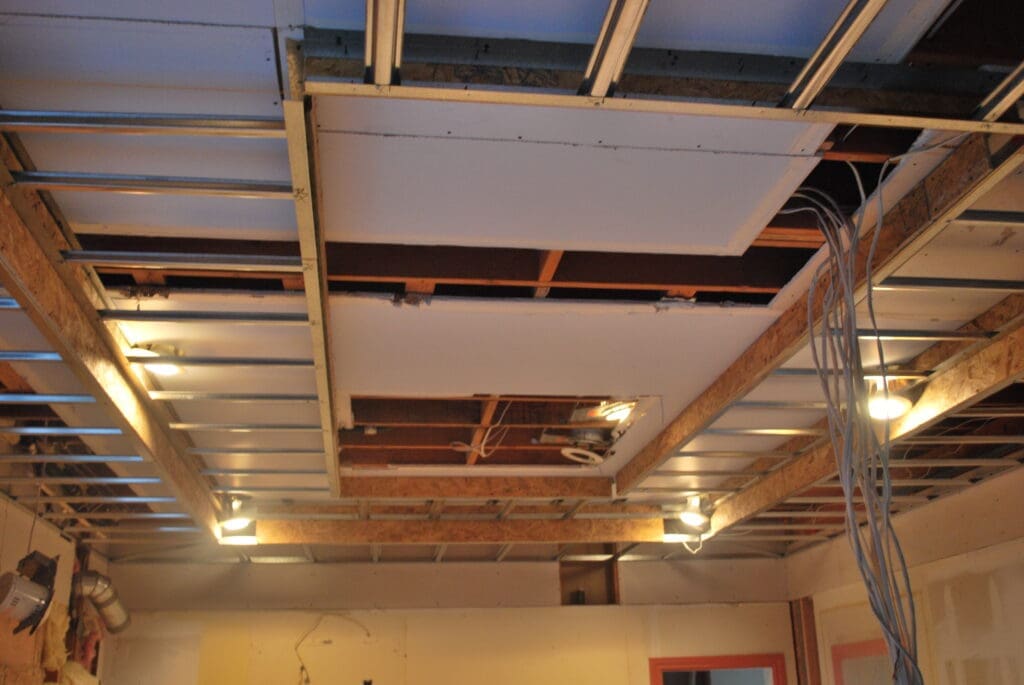
The construction industry is currently experiencing a significant labor shortage. Skilled workers such as carpenters, electricians, and plumbers are in high demand but short supply. This shortage has led to increased wages as companies compete to attract and retain qualified personnel.
Higher labor costs contribute significantly to the overall expense of building a new home. Moreover, the training and certification of new workers to fill these roles require time and resources, further exacerbating the issue. As a result, labor expenses have become a major factor in the rising costs of home construction.
Regulatory and Compliance Costs
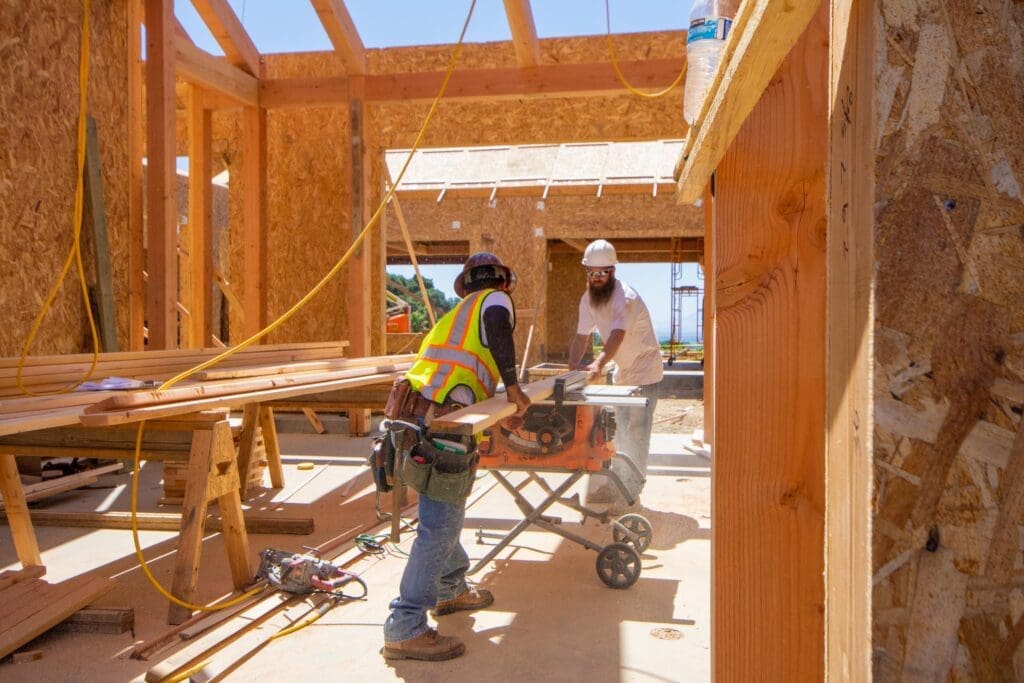
Regulatory and compliance requirements also play a crucial role in the rising costs of building a new home. Builders must adhere to a myriad of local, state, and federal regulations concerning safety, environmental impact, and building codes. Compliance with these regulations often requires additional paperwork, inspections, and modifications to construction plans.
While these regulations are essential for ensuring safety and sustainability, they add layers of complexity and expense to the building process. The costs associated with meeting these stringent requirements are inevitably reflected in the final price of the home.
Land Prices and Availability – High Cost to Build A New Home Contributor
The cost and availability of land are significant factors in the overall expense of building a new home. In many desirable locations, land prices have skyrocketed due to high demand and limited supply. This trend is particularly evident in urban areas and regions experiencing population growth.
The scarcity of affordable land forces builders to invest more in acquiring suitable plots, which increases the total cost of the project. Additionally, developing land in less accessible areas often requires substantial investment in infrastructure, further driving up expenses.
Impact of Supply Chain Disruptions
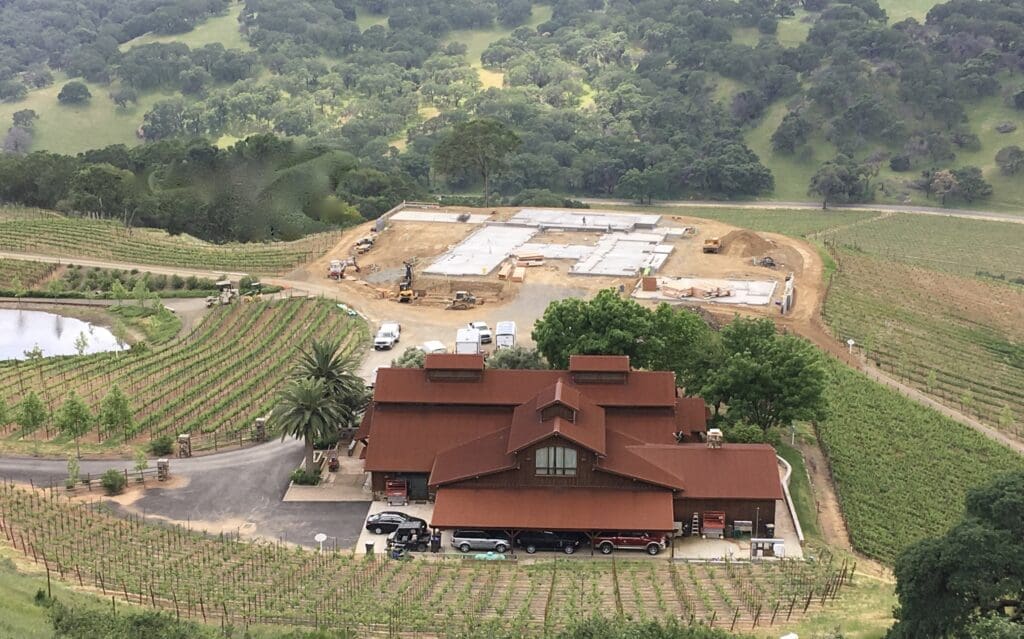
Supply chain disruptions have become a prominent issue affecting the construction industry. Events such as the COVID-19 pandemic, natural disasters, and geopolitical tensions have disrupted the flow of materials and equipment necessary for home construction.
These disruptions lead to delays and increased costs as builders struggle to secure the necessary resources. The unpredictability of supply chain issues means that builders must often pay a premium to expedite shipments or source materials from alternative suppliers, both of which contribute to higher overall construction costs.
Although there are other factors to consider, these are the main ones that contribute to the high cost to build a new home in 2025.
Read other great content on our blog:
Everything You Need To Know About The Lien Process
Top 12 Reasons You Should or Should Not Use A Custom Home Builder
The #1 Question To Ask A Builder Before Committing
The 3 Step Process To Designing Your New Luxury Home