
Exploring the Balance: Traditional vs Modern Design
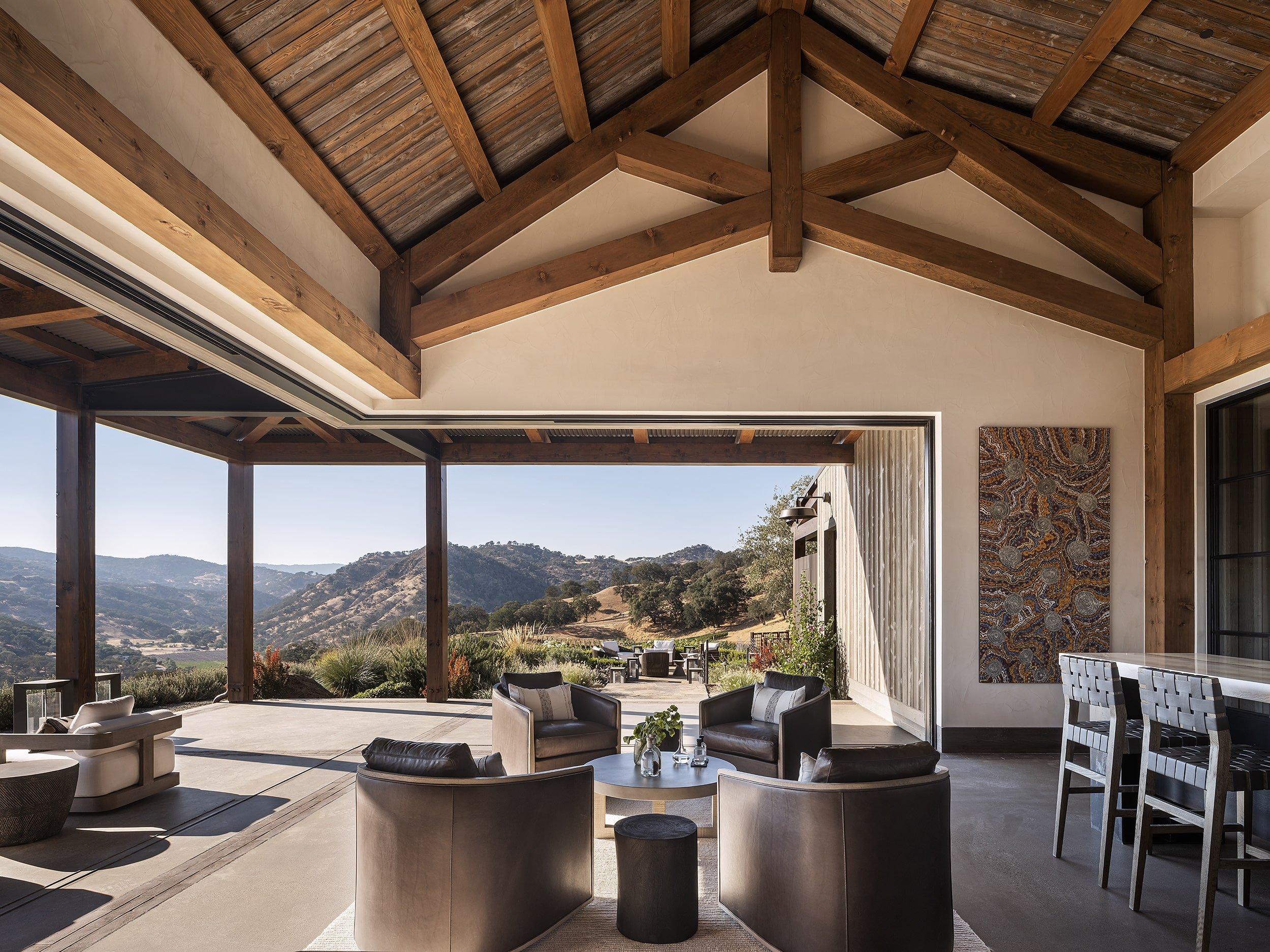
Design is a language that speaks volumes. It tells stories of history, culture, and personal taste.
In the world of design, two styles often stand out: traditional and modern. Each has its unique charm and appeal.
Traditional design draws from history, creating spaces that feel timeless and familiar. It’s about comfort, warmth, and a sense of heritage.
On the other hand, modern design embraces the new and the now. It’s about simplicity, efficiency, and a clutter-free environment.
But what happens when these two styles meet? Can they coexist in harmony, or do they clash?
In this article, we’ll explore the balance between traditional and modern design, delving into their characteristics, influences, and how they can be blended to create spaces that feel both timeless and contemporary.

Defining Traditional and Modern Design
Design styles define the atmosphere of any space. Traditional design often exudes a sense of timelessness and elegance. It seeks to preserve the best parts of the past.
Modern design, in contrast, focuses on current trends. It emphasizes clean lines and open spaces, reflecting today’s fast-paced lifestyle.
Traditional design is rooted in history. It draws influence from various time periods, like the Victorian or Colonial era.
Modern design, however, emerged from the modernist movement. It values functionality and simplicity, steering away from ornamentation.
Together, these design styles offer endless possibilities. Combining them requires an understanding of their unique characteristics.
Both styles can beautifully coexist, creating spaces that respect the past and embrace the future.
Historical Roots and Classic Elements of Traditional Design
Traditional design celebrates history and classic styles. It finds inspiration in diverse cultures and eras, adding rich detail to spaces.
Ornate moldings, antique furnishings, and rich fabrics define traditional interiors. These elements create a sense of grandeur.
The goal of traditional design is to evoke warmth and comfort. Its spaces are familiar, offering a refuge from the modern world.
The Evolution and Minimalism of Modern Design
Modern design is all about evolution and progress. It emerged in the early 20th century with the modernist movement.
Minimalism became a key tenet of modern design. Spaces focus on usability, featuring simple, unadorned elements.
This style promotes efficiency and clarity. It tends to favor neutral colors and smooth textures that promote a sense of calm.
Characteristics and Psychological Impact
The essence of design is more than just aesthetics; it shapes mood and behavior. Traditional design, with its richness, promotes nostalgia. It often reminds inhabitants of heritage and history.
Modern design, on the other hand, champions clarity. It reduces distractions, allowing for focus and tranquility. Both styles impact our psyches uniquely.
Spaces styled traditionally often provide comfort. They envelop occupants in familiarity, fostering a sense of belonging.
Conversely, modern design’s clean lines can create an expanse. They evoke a fresh, open-minded attitude, free from clutter.
Ultimately, choosing between these styles depends on personal preferences. It might reflect one’s desire for warmth or the need for a serene, uncluttered space.
Traditional Design: Warmth and Comfort
Traditional design embodies warmth through its intricate features. Its rich textures and colors create inviting, cozy spaces.
Deep reds, greens, and browns fill traditional interiors, fostering comfort. These elements tend to elevate a sense of homeliness.
The use of plush furnishings and patterned fabrics enhances warmth. These tactile elements make traditional spaces soothing and welcoming.

Modern Design: Efficiency and Clutter-Free Living
Modern design champions simplicity, enhancing function and order. It embraces minimalism, offering efficiency in everyday life.
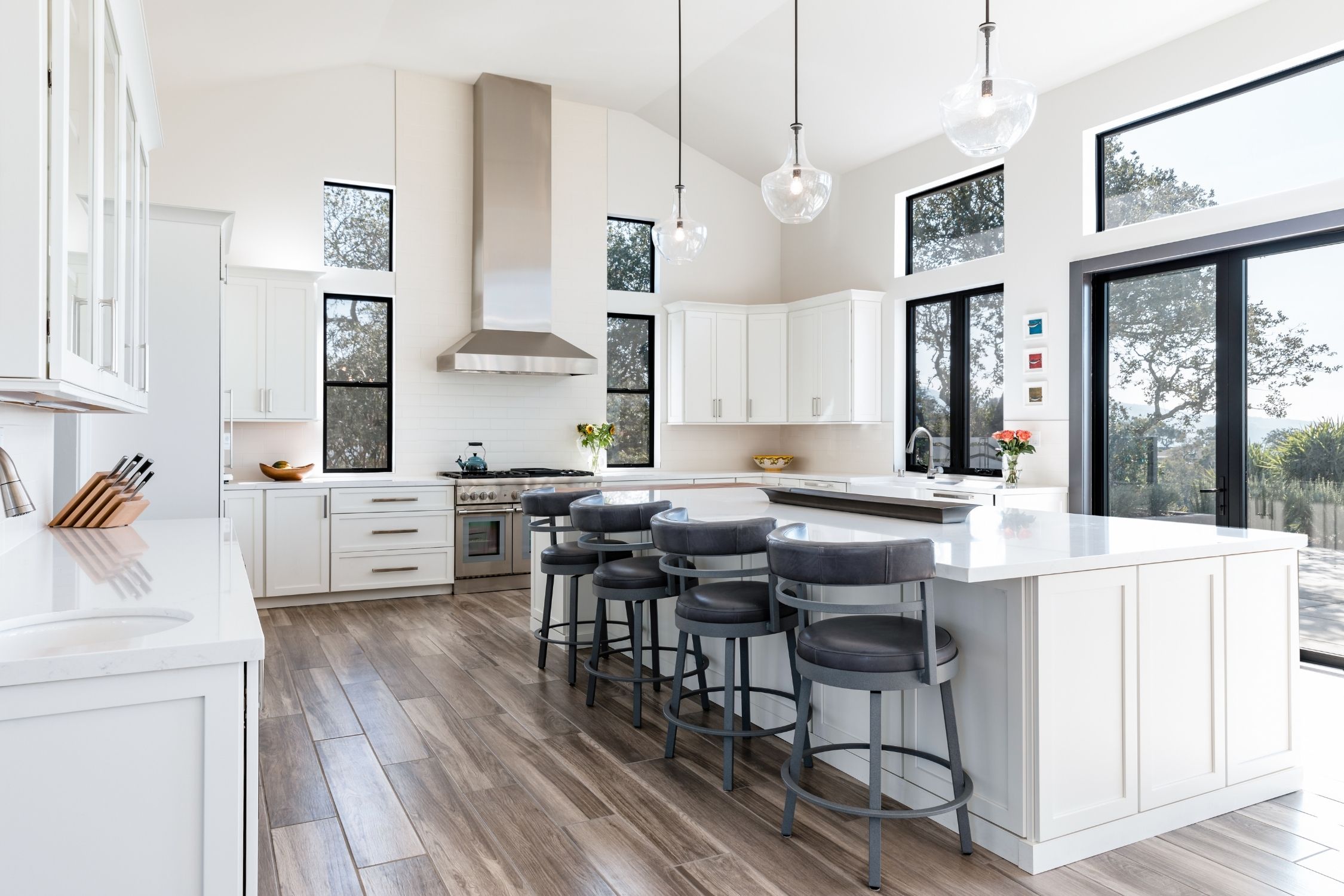
This style often utilizes neutral palettes, like whites and grays. These choices create light, airy environments conducive to relaxation.
Clutter-free spaces characterize modern design. It prioritizes open layouts, promoting fluidity and a focus on essentials.

Materials and Color Palettes
Materials and color schemes are crucial in defining design styles. They give spaces personality and set the overall mood. Traditional and modern designs use distinct materials for unique aesthetics.
Traditional design often relies on natural materials. Wood, stone, and natural fibers are key, adding depth and character. They showcase craftsmanship that withstands time.
Conversely, modern design favors industrial materials. Glass, steel, and synthetic textures create sleek, polished looks. This approach emphasizes innovation and simplicity.
The Role of Materials in Traditional vs. Modern Design
In traditional design, materials tell a story. Woodwork and stone detailing reflect past craftsmanship. They add a sense of stability and permanence.
Modern design uses materials to express new-age ideas. Glass and steel contribute to its minimalist essence. They help create environments that are functional yet striking.
Using specific materials, both styles articulate distinct narratives. Each choice sets the stage for either heritage or innovation.
Color Schemes and Lighting in Design Styles
Colors in design set ambiance and mood. Traditional schemes often involve rich, deep hues that exude elegance. They invite warmth and formality into the space.
Modern design prefers neutral tones. Whites and grays promote calmness and a sense of expanse. They provide a clean backdrop that highlights functionality.
Lighting complements these palettes. Traditional spaces favor warm, ambient lighting to enhance coziness. Modern styles use sleek, bright illumination to accentuate minimalism.

Achieving a Timeless Design: Blending Traditional and Modern Elements
Combining traditional and modern design creates spaces that are both timeless and dynamic. This fusion allows for versatility and personalization. It reflects a balance that appeals to varied tastes.
Achieving harmony requires careful consideration of scale and proportion. Integrating both styles without clashing needs expertise and insight. It’s about creating a seamless flow that respects both aesthetics.
Textures play a vital role in this process. Mixing ornate details with sleek elements can evoke a unique vibe. It’s about ensuring one style doesn’t overshadow the other.
The success of this blend relies on complementary color schemes. Pairing neutral tones with rich, classic colors ties both styles together. This approach can create a cohesive look.
Ultimately, blending these styles offers endless creativity. It allows for spaces that are both comfortable and cutting-edge. It’s a journey that transforms rigid boundaries into harmonious coexistence.
Case Studies: Successful Blends of Design Styles
A historic hotel renovation shows how blending styles works. The designers incorporated modern fixtures within classic architecture. They maintained the building’s vintage charm while adding fresh appeal.
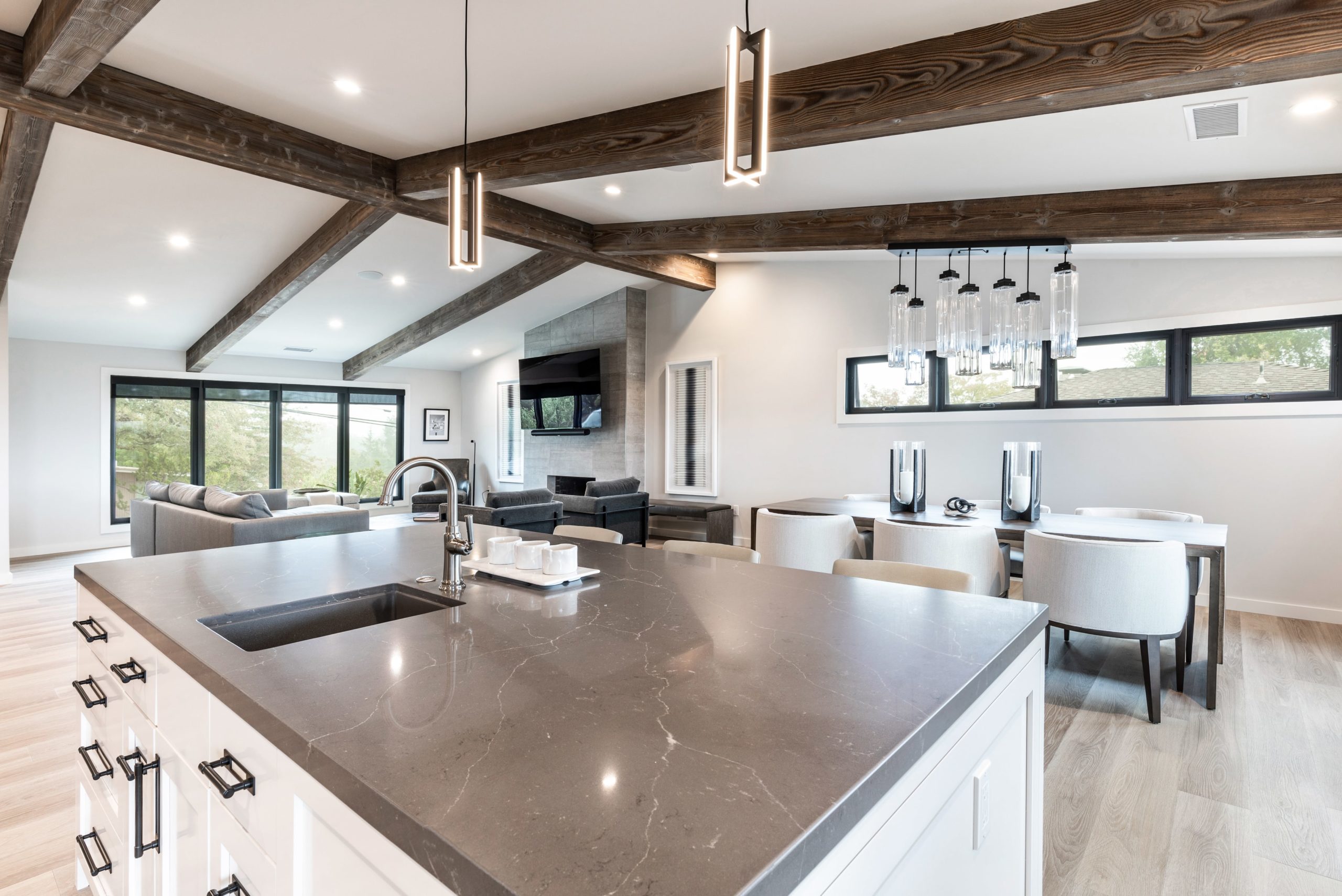
A modernized kitchen within a Victorian home is another example. Sleek, stainless-steel appliances contrast beautifully with original wooden beams. This juxtaposition emphasizes the property’s character while updating functionality.
In contemporary office spaces, traditional elements like wooden floors soften modern glass partitions. This creates an inviting work environment. Such combinations showcase how blending can breathe life into diverse spaces.
Tips for Harmonizing Diverse Design Elements
Start by identifying key features from both styles that complement each other. Pair contemporary furniture with traditional art. This creates focal points that enrich the space.
Use color as a unifying factor. Select a consistent color palette to bridge styles. This ensures the space feels cohesive and well-thought-out.
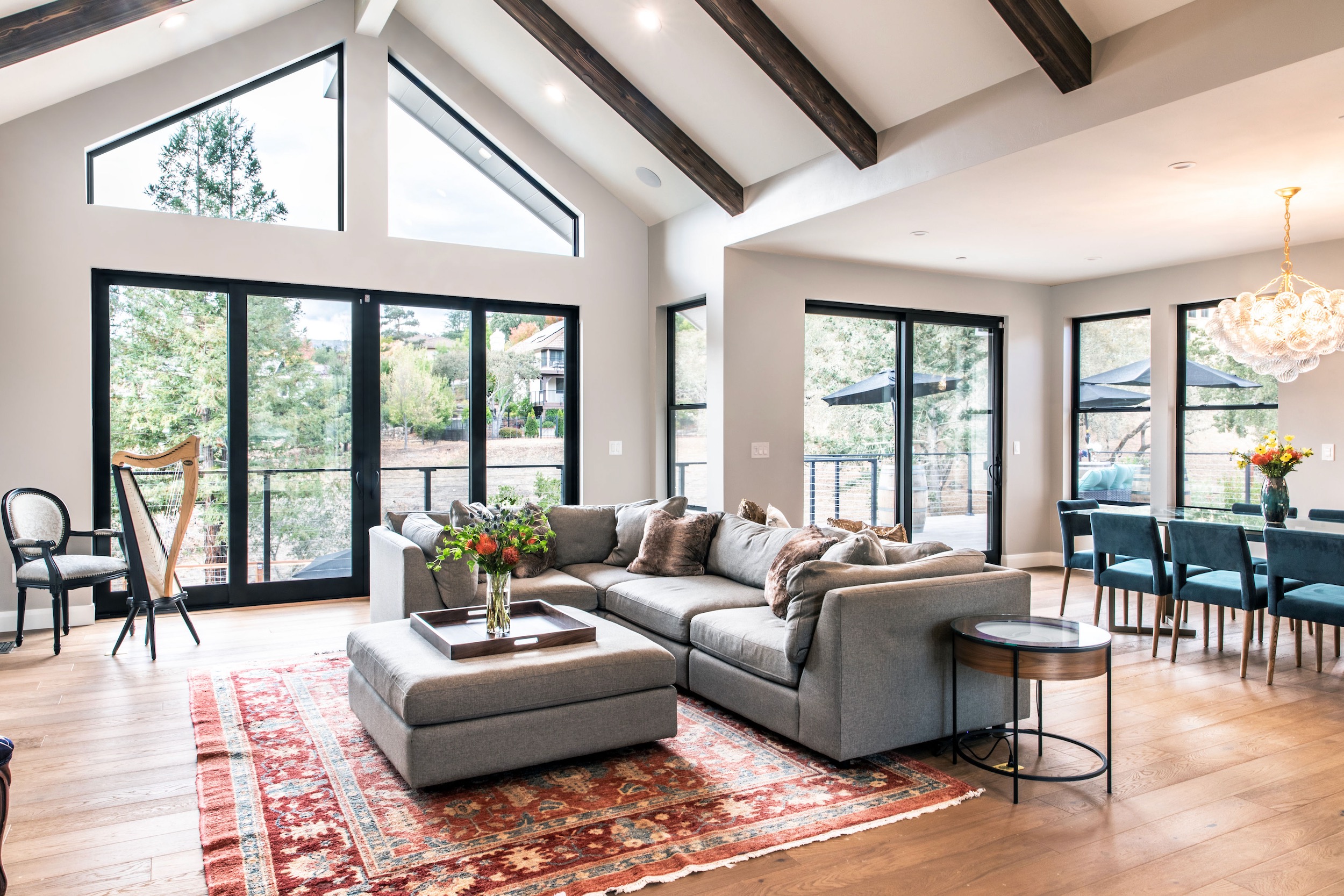
Balance is key. Avoid overcrowding the space with too many contrasting pieces. Strategic placement allows each element to stand out without overwhelming the design. Embrace simplicity where possible.
The Influence of Culture, Location, and Lifestyle
Design preferences often reflect cultural and geographic influences. Local materials and traditional craftsmanship shape the aesthetics of a region. These elements contribute to creating a sense of place and identity.
Incorporating both traditional and modern styles can celebrate diverse heritages. This blending acknowledges a global exchange of ideas. It’s a process that respects history while embracing innovation.
Lifestyle and personal values also play a significant role in design decisions. Minimalist modern designs may appeal to those valuing simplicity and efficiency. Traditional designs might suit individuals who cherish continuity and warmth.
Understanding these influences can guide designers. They can create spaces that resonate deeply with inhabitants. The result is a design that truly feels like home.
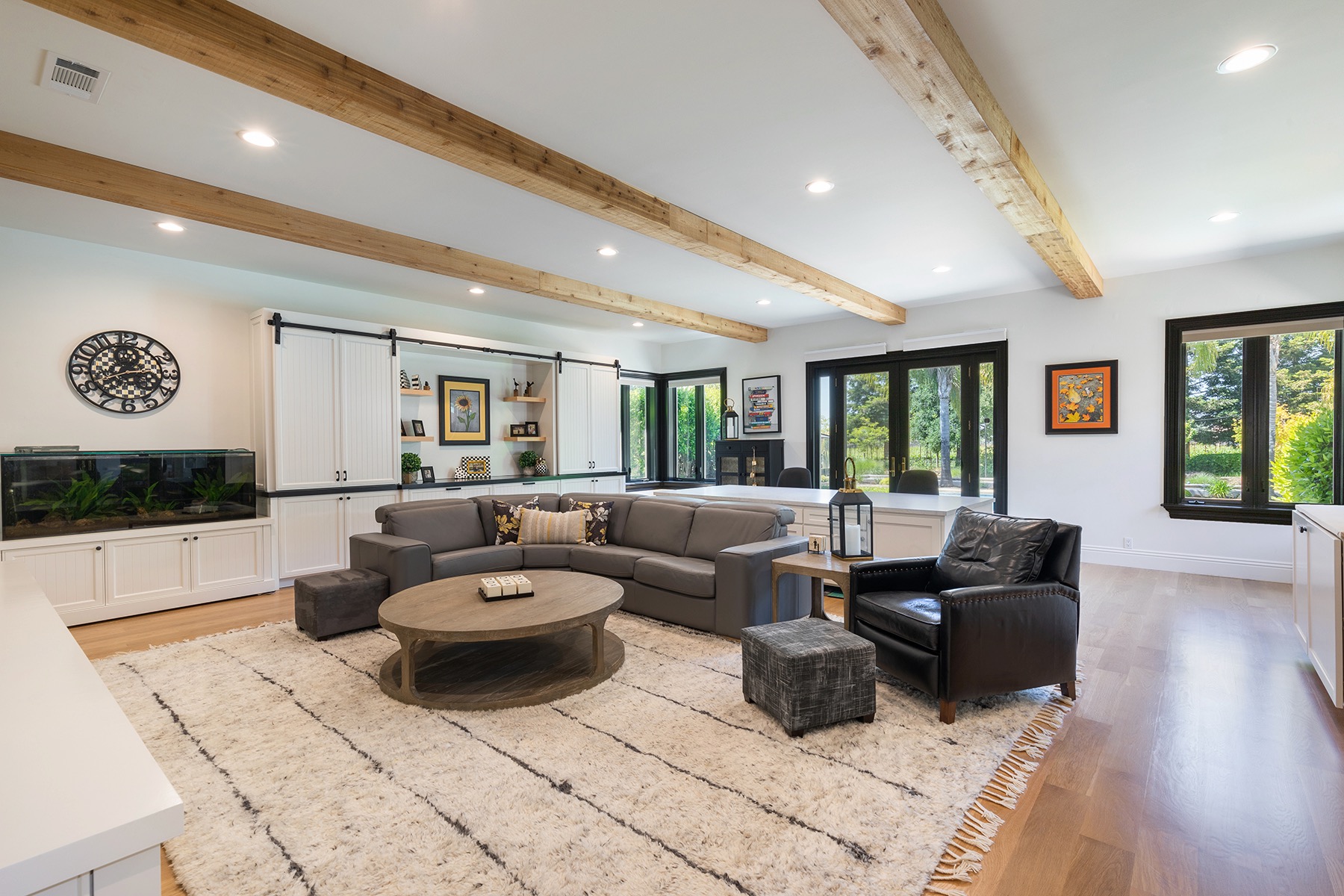
Geographic and Cultural Influences on Design Preferences
Geographic factors often dictate the use of natural resources in design. For instance, regions with rich wood supplies may favor wooden elements in homes.
Cultural heritage impacts design through enduring motifs and patterns. These elements honor past traditions and contribute to a location’s unique ambiance.
Lifestyle and Personal Values in Design Choices
An individual’s lifestyle can greatly influence their design choices. Those with hectic lives may prefer modern, low-maintenance interiors.
Conversely, someone valuing family traditions may gravitate towards classic designs. This preference reflects their connection to history and lineage.
Functionality, Sustainability, and Technology in Design
Contemporary design often prioritizes functionality. It seeks to maximize the utility and comfort of spaces. Efficiency is a key goal, aligning form with function seamlessly.
Sustainability has gained prominence in both modern and traditional designs. Eco-conscious practices can dramatically reduce environmental impact. This approach benefits both the planet and the residents.
Technological advances allow designers to integrate smart systems effortlessly. This integration offers automation and energy savings. It transforms living spaces into efficient and comfortable environments.
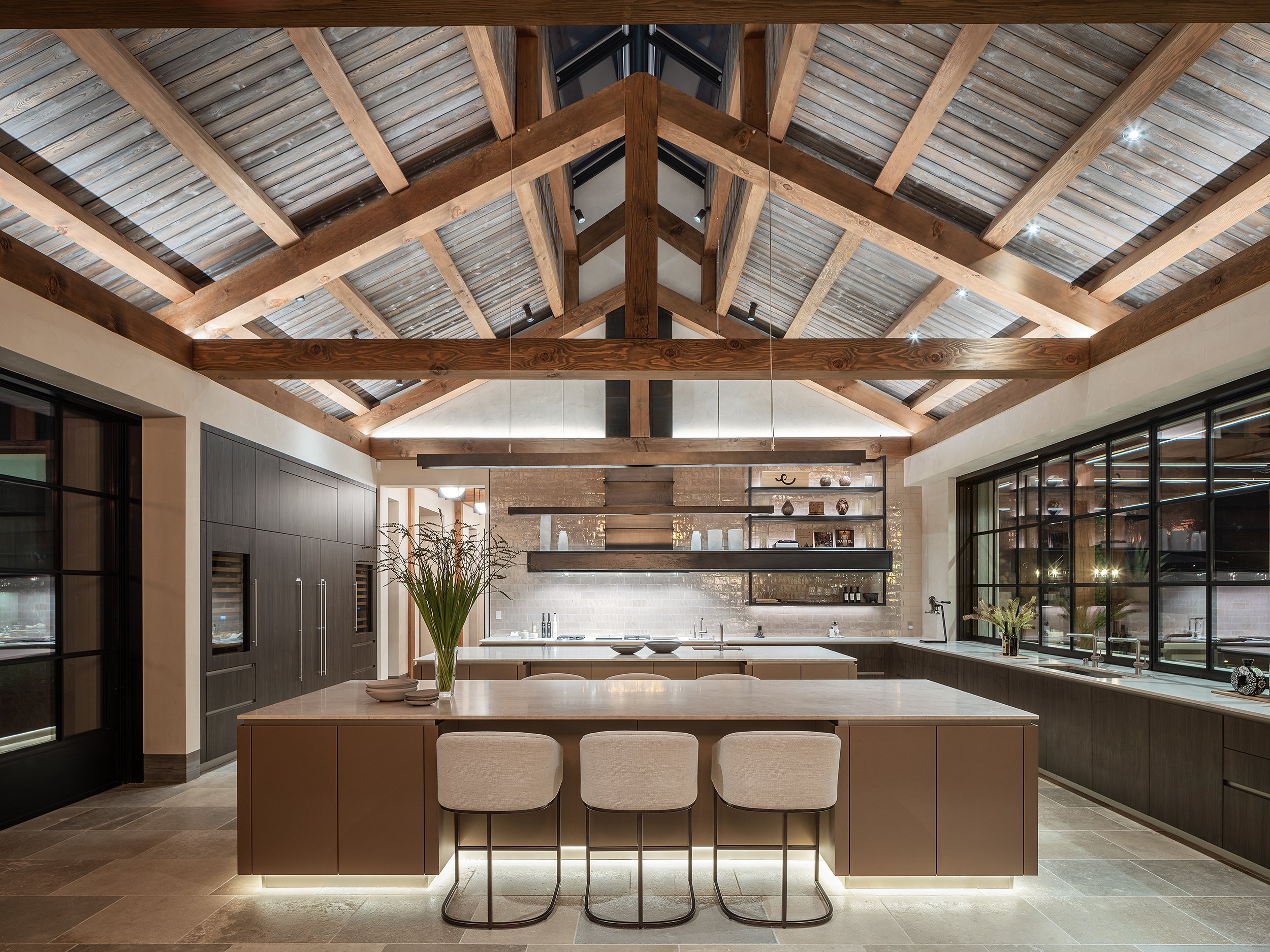
Practicality in Modern Design and Craftsmanship in Traditional Design
Modern design emphasizes practicality and simplicity. It’s focused on creating clutter-free, easy-to-maintain spaces that support busy lifestyles.
In contrast, traditional design highlights craftsmanship. It involves intricate details that celebrate artisanal skills and heritage.
Eco-Friendly Practices and Smart Home Integration
Sustainable choices have become vital in design today. Recycled materials and energy-efficient systems are now common choices for eco-conscious designers.
Smart home technology provides convenience and enhanced living experiences. These innovations make homes more adaptive and responsive to occupants’ needs.
Conclusion: Embracing Diversity in Design
Design is a constantly evolving journey. It thrives on a delicate balance between tradition and innovation. By combining both, designers can create spaces that are both meaningful and functional.
Embracing diverse design styles offers endless possibilities. Such adaptability enriches environments, reflecting both history and modernity. This approach encourages creativity, celebrating both heritage and progress.
Enjoyed this post? Check out this post on how to use automation in your smart home. Learn how to make your space multi functional. Wondering what the differences are between engineered stone vs natural stone? Read the article we wrote here. Did you know textured wallpaper is making a come back? Read about the trend here. Thinking about building a custom home in the winter? Here are the things to consider. What is the cost to build a custom home in California?
For more updates follow CRC Builders on Linked In.
Are you looking to build a custom home in the Bay Area? Check out our guide for making sure you choose the right builder and start with this post on how to avoid a lack of communication with your builder.
CRC Builders Featured in California Homes Magazine, Napa Estate