
Creating a Custom Home Timeline for a Smooth Move

TL;DR
A smooth move into your custom home begins with a well-planned timeline. From design and permitting to construction milestones and final inspections, a detailed schedule keeps your project on track. So then, build in flexibility to handle delays and maintain strong communication with your team to ensure everything is ready for your planned move-in day.
Understanding the Importance of a Custom Home Timeline
First, planning a custom home involves numerous steps and stakeholders, making it crucial to establish a detailed timeline. A well-crafted timeline ensures the completion of every phase of construction on time, preventing costly delays and last-minute issues.
Therefore, a timeline acts as a roadmap, guiding you through the entire process from initial design to final inspection. This will coordinate the efforts of architects, contractors, and suppliers, ensuring everyone aligns and works towards common goals.
Key Milestones to Include in Your Timeline
Secondly, the first milestone is the design phase, where you work closely with your architect to finalize the blueprints and layout of your home. This stage typically includes initial consultations, design revisions, and obtaining necessary permits.
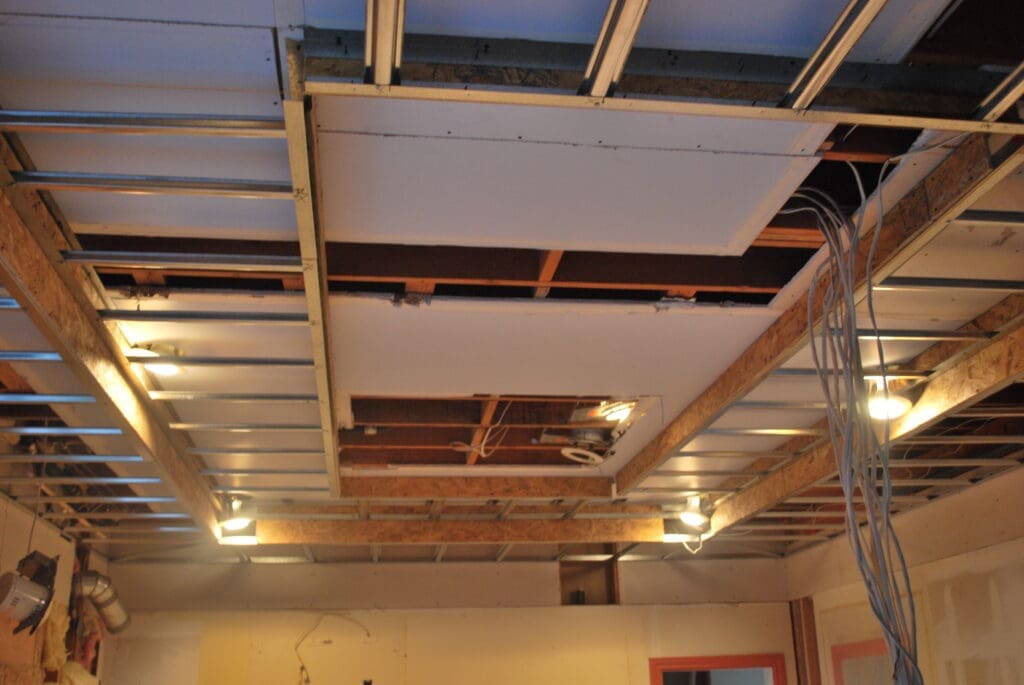
Subsequent milestones should cover site preparation, foundation work, framing, roofing, and installation of essential systems like plumbing and electrical. To sum up, each of these stages has its own set of tasks and deadlines, which should be clearly outlined in your timeline.

Collaborating with Your Construction Team
Thirdly, effective communication with your construction team is vital for staying on schedule. Regular meetings and updates help ensure that everyone is aware of their responsibilities and any changes to the plan.
Utilize project management tools and software to track progress and address issues promptly. This collaborative approach fosters a proactive environment where potential problems can be identified and resolved before they cause delays.

Preparing for Potential Delays
Fourthly, even with the best planning, unforeseen delays can occur. Weather conditions, supply chain disruptions, and other unexpected events can impact your timeline.
To mitigate these risks, build some flexibility into your schedule. Allow for buffer periods between critical milestones and have contingency plans in place for common issues. This proactive approach helps keep the project on track, even when faced with obstacles.
Final Steps for a Smooth Move-In Day
Finally, as construction nears completion, focus on the final inspections and finishing touches. Test all systems to ensure they function correctly and address any minor repairs or adjustments promptly.
Coordinate with your moving company and utility providers to ensure a seamless transition into your new home. By following your timeline and staying organized, you’ll be able to enjoy your new custom home on the planned move-in day without unnecessary stress.

Did you enjoy this article? Then check out some other posts on our blog:
The 3 Step Process To Designing Your New Luxury Home
The #1 Question To Ask A Builder Before Committing
How To Easily Compare Quotes From Custom Home Builders
How To Guarantee Your New Home Will Be Built On Time
Elevate Your Culinary Skills with These Chef-Inspired Kitchen Design Ideas
Looking for custom home builders Bay Area? Read more about why you might want to choose us!